




Deviated Nasal Septum is one of the major reasons for getting TR in your SSB medical examinations, we have been receiving many emails from the candidates asking if Deviated Nasal Septum would be a problem in their SSB medical examination. Also, many candidates are having these issues and they are not sure if they should go for surgery or not. Below we have mentioned a few details regarding this condition and suggestions for defense aspirants who are facing this problem.
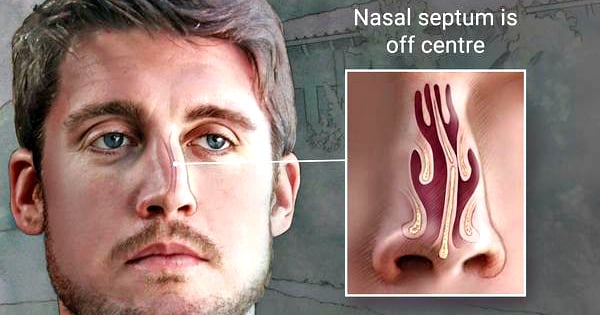
A deviated septum is a condition in which the nasal septum — the bone and cartilage that divide the nasal cavity of the nose in half — is significantly off-center, or crooked, making breathing difficult. Most people have some sort of imbalance in the size of their breathing passages. In fact, estimates indicate that 80% of people, most unknowingly, have some sort of misalignment to their nasal septum. Only the more severe imbalances cause significant breathing problems and require treatment.
Deviated Septum Causes
A nose injury is a common cause of septum deviation. In many cases, there may be no symptoms. When symptoms occur, they include a congested nostril, nosebleeds, and noisy breathing during sleep. Some people are born with a deviated septum. Other people develop a deviated septum after injury or trauma to the nose.
Deviated Septum Symptoms
The most common symptom of a deviated septum is nasal congestion, with one side of the nose being more congested than the other, along with difficulty breathing. Recurrent or repeated sinus infections can also be a sign of a deviated septum. Other symptoms include frequent:
- Nosebleeds
- Facial pain
- Headache
- Postnasal drip
- Loud breathing and snoring during sleep
Deviated Septum Treatments
Sometimes symptoms of a deviated septum can be relieved with medications. If medicine alone doesn’t offer adequate relief, a surgical procedure called septoplasty may be needed to repair a crooked septum and improve breathing.


